ALLEN DRIVE OPEN STORAGE
Safety Tips to Protect Tires and Paint While Storing Vehicles Long-Term
Storing a vehicle for an extended period—whether it’s a car, truck, or motorcycle—requires more than simply parking it and walking away. Long-term storage conditions can impact your tires, exterior paint, and overall performance if the right steps aren’t taken. Whether you’re comparing car storage unit cost, looking into truck storage options, or searching for a storage motorcycle near me, choosing proper preparation can help preserve your investment.
At
Allen Drive Open Storage in Conroe, TX, our goal is to help vehicle owners store their property safely and confidently. Here are essential long-term vehicle storage tips to keep tires protected, paint preserved, and your vehicle ready to drive when you return.
Prepare Tires Properly Before Long-Term Storage
Tires are one of the most overlooked components when storing a vehicle long-term. Yet they’re also the most vulnerable to flat spots, cracking, and pressure loss. Taking the time to prepare your tires properly will prevent unnecessary wear and preserve their lifespan.
Start by inflating your tires to the manufacturer’s recommended PSI. Because vehicles naturally lose air pressure while sitting, having them at the proper level helps prevent sagging and distortion. If your vehicle will be stored for several months or more, consider slightly overinflating—but only within a safe margin—to help maintain structural integrity.
Next, clean your tires thoroughly. Dirt, road salt, and oil can deteriorate rubber over time. Scrub the tires and rims and rinse them thoroughly to remove any debris that could cause long-term damage.
Another option to preserve your tires is to use tire cradles or inserts. These devices distribute pressure evenly, reducing the chances of flat spotting. If you expect extremely long-term storage, placing the vehicle on jack stands can remove weight from the tires entirely, but make sure the weight is distributed correctly to avoid strain on the suspension system.
Finally, avoid parking your vehicle on bare ground. Concrete is fine, but dirt, grass, and gravel hold moisture, which can seep into your tires and accelerate aging. Using a quality barrier, mat, or floor protector creates a safer foundation for long-term tire health.
Protect the Vehicle’s Paint from Sun, Moisture, and Debris
Your vehicle’s paint plays a significant role in both appearance and long-term protection from rust and corrosion. Unfortunately, without proper storage conditions, paint can fade, oxidize, or become damaged by environmental contaminants. Taking a few preventive measures keeps your finish looking brand new—even after months of storage.
Start with a complete exterior wash. Removing dirt, pollen, bird droppings, and road grime prevents permanent etching into the paint. Once the vehicle is clean, apply a high-quality wax or paint sealant to create a protective barrier. This additional layer helps repel UV rays, moisture, and airborne contaminants.
Even in an open storage environment, using a breathable car cover is one of the most effective ways to protect your paint. Choose a cover that fits snugly and is designed for long-term outdoor use. Covers that are too loose can rub against the paint in windy conditions, while non-breathable covers may trap moisture. A good cover will shield the vehicle from sunlight, dust, and precipitation without creating condensation buildup.
If possible, park in a shaded section of the storage facility. Even with a cover, decreasing direct sun exposure reduces long-term fading. For customers comparing truck storage options, shade or partial protection becomes even more valuable due to the larger surface area exposed to sunlight.
Maintain Battery Health and Prevent Electrical Issues
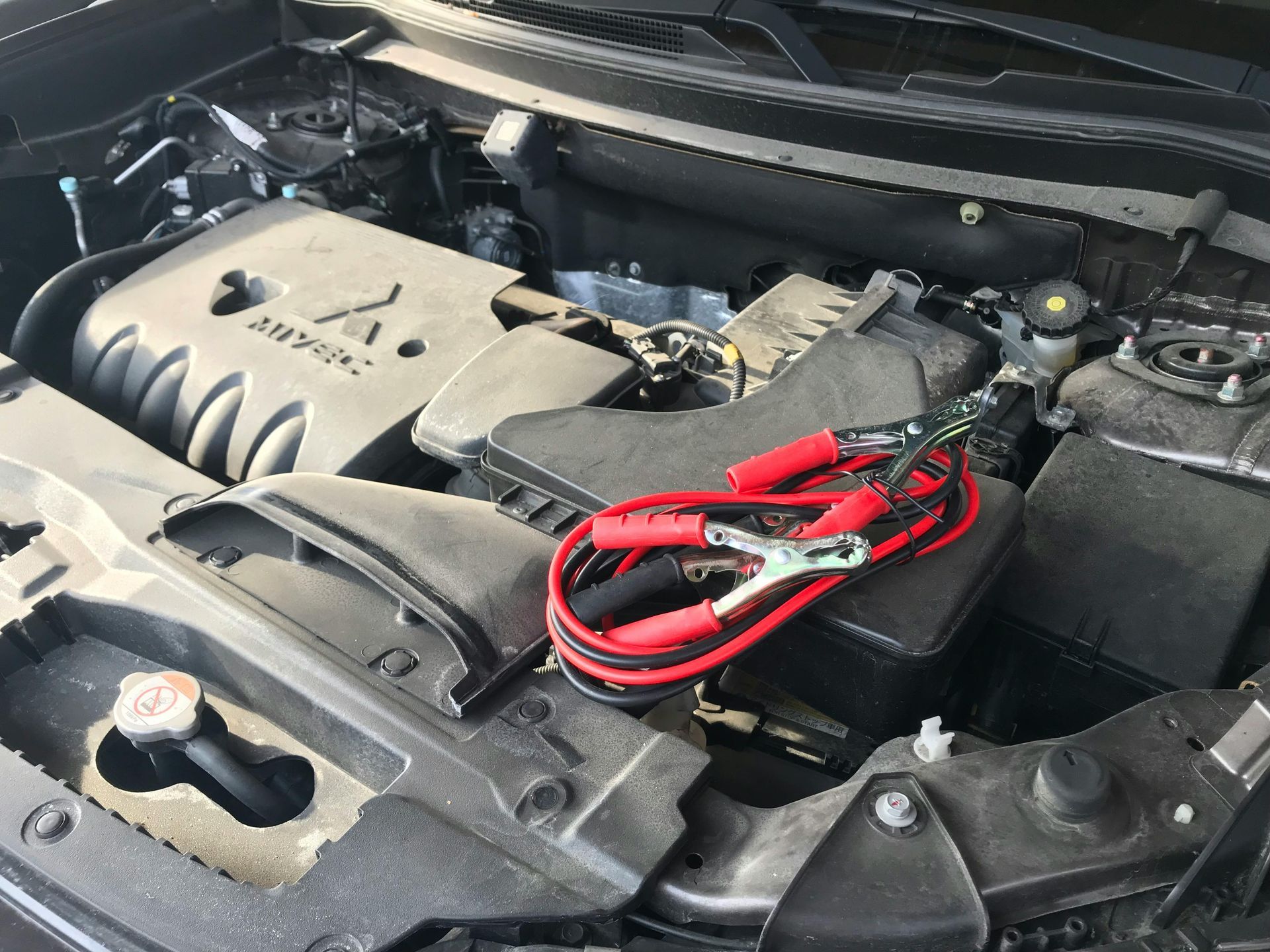
A vehicle sitting unused for long periods can experience battery drain, corrosion, and potential electrical problems. Preparing your battery before storage will help ensure your vehicle starts smoothly when you return.
One option is to disconnect the negative terminal of the battery. This prevents slow electrical draw from dashboard systems, security alarms, or onboard computers. However, disconnecting can also reset system settings.
If you prefer to maintain full battery life and retain your vehicle’s settings, consider a trickle charger or battery maintainer. These devices keep your battery at an optimal charge without overcharging. Many vehicle owners searching for “storage motorcycle near me” opt for this method because motorcycle batteries are more sensitive to long periods of inactivity.
Also, inspect the battery for corrosion, leaks, or swelling before placing the vehicle in storage. Clean the terminals and ensure cables are secure. A well-maintained battery will significantly reduce the chances of unexpected issues later.
Protect the Interior from Moisture and Sun Damage
While tires and paint are major concerns, the vehicle’s interior also needs attention. Long-term sun exposure and humidity can damage upholstery, dashboards, and electronics.
Begin by vacuuming and cleaning the inside of the vehicle. Any leftover food particles or debris can attract pests. Wipe down surfaces with appropriate cleaners and ensure the cabin is completely dry before storing.
To further protect the interior, use windshield and window reflectors to reduce UV exposure. Even if your vehicle is in an open storage facility, sun protection reduces fading and cracking of interior materials.
Consider using moisture absorbers or desiccant packs to help prevent mold and mildew—especially during humid weather in Conroe, TX. For long-term storage, slightly opening the windows can help with ventilation, but only if the vehicle is stored in a secure, weather-safe location.
Leather seats should be conditioned before storage to avoid cracking. For cloth interiors, a fabric protector can help guard against stains or moisture damage.
Choose the Right Long-Term Storage Facility
Even the best preparation won’t matter if your vehicle isn’t stored in a secure, well-maintained environment. Choosing the right facility is one of the most important steps in long-term vehicle preservation.
When comparing car storage unit costs, remember that price alone shouldn’t be the determining factor. Look for secure access, surveillance systems, and a clean facility that prioritizes customer safety. If you’re storing a larger vehicle, consider truck storage options with ample space, easy maneuvering access, and proper ground conditions.
For motorcycles, customers often search “storage motorcycle near me” expecting a facility that offers convenient parking, clear access paths, and reliable security.
Allen Drive Open Storage in Conroe, TX, provides open vehicle storage designed to meet the needs of
car
owners,
RV
owners,
motorcycle
enthusiasts, and
truck
drivers alike. With our spacious outdoor storage spaces, secure environment, and customer-friendly service, your vehicle stays protected no matter how long you need to store it.
Secure Your Vehicle With Allen Drive Open Storage Today
If you’re preparing for long-term vehicle storage and want a safe, reliable place for your
car,
truck,
motorcycle, or
recreational vehicle,
Allen Drive Open Storage is here to help. Our team can guide you through proper vehicle preparation and ensure you have the right space for your needs.
Call us today at
(936) 290-4061 to reserve your storage space. We’re committed to providing secure, affordable, and convenient vehicle storage solutions in Conroe, TX.
FAQs
How long can a vehicle safely sit in long-term storage?
With proper preparation, a vehicle can be safely stored for several months to over a year. Tire protection, battery care, and covering the vehicle help maintain its condition.
Should I start my vehicle during long-term storage?
Starting the vehicle occasionally can help, but only if you drive it long enough for the engine to reach operating temperature. Otherwise, it may create moisture buildup.
What is the best way to prevent flat spots on tires?
Maintain proper tire pressure, use tire cradles, or lift the vehicle on jack stands to reduce weight on the tires.
Do I need to wash my vehicle before storing it outdoors?
Yes. Dirt and contaminants can harm the paint over time. A clean, waxed exterior offers better protection during long-term storage.
Is open vehicle storage safe for long-term use?
Open storage is safe when you choose a secure facility with strong ground surfaces, good surveillance, and proper vehicle preparation.