ALLEN DRIVE OPEN STORAGE
Top Mistakes to Avoid When Storing Your Vehicle Long-Term
Storing your vehicle long-term can seem simple. You park it, cover it, and assume it will be ready when you return. Unfortunately, that is where many people go wrong. Avoiding common pitfalls can save you costly repairs and headaches later. Knowing the most frequent long-term car storage mistakes and applying practical vehicle storage tips ensures your car, truck, or motorcycle stays in peak condition throughout its storage period.
Whether you are going on a long vacation, seasonal break, or leaving a collector car untouched for months, understanding
car maintenance during storage is key. Let’s dive into the top mistakes, why they happen, and how to avoid them.

Mistake 1: Not Preparing Your Vehicle Properly
One of the most common long-term car storage mistakes is failing to properly prepare your vehicle before storage. Preparation is more than just parking and covering.
What proper preparation includes:
- Clean your vehicle thoroughly: Dirt, bird droppings, and road salt can eat away at paint and metal if left unattended.
- Change the oil and fluids: Old oil, coolant, and brake fluid can contain moisture and contaminants that damage the engine over time.
- Check tire pressure: Tires can develop flat spots if underinflated during long periods of inactivity.
- Fill up the fuel tank: A full tank prevents moisture from forming inside the tank and keeps seals lubricated.
Skipping these steps can lead to costly repairs when you finally bring your vehicle out of storage. Think of it as putting your car into hibernation with the right prep work to wake it up healthy.
Mistake 2: Ignoring Battery Maintenance
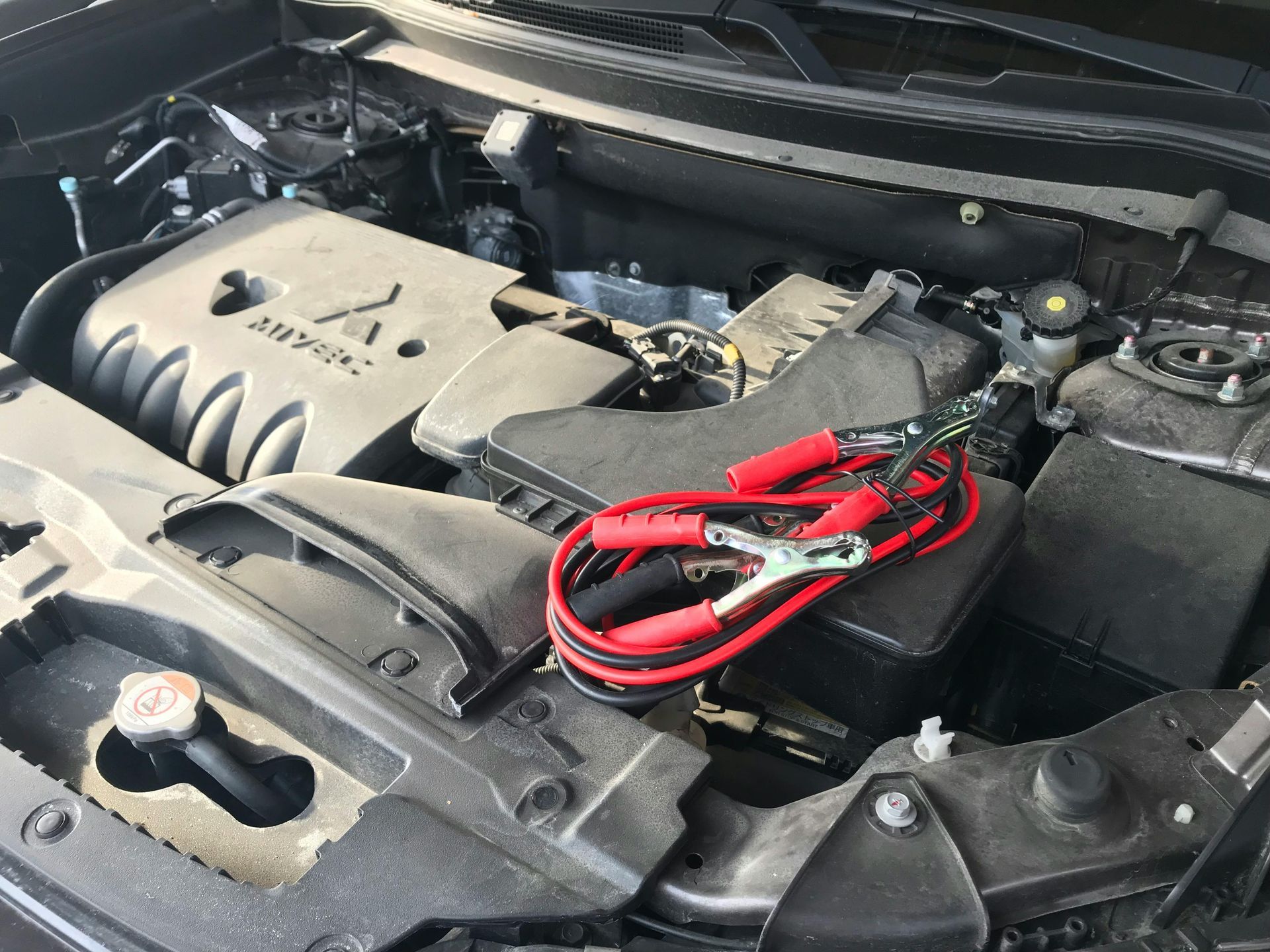
A dead battery is one of the fastest ways a stored car becomes unusable. Many owners simply leave their battery connected, assuming it will be fine.
Vehicle storage tips for battery health:
- Disconnect the battery: This stops parasitic drains caused by electronics and onboard systems.
- Use a battery maintainer: A trickle charger keeps the battery charged without overcharging.
- Remove the battery for long-term storage: Place it in a cool, dry area if your storage space allows.
Failing to care for your battery is a classic
long-term car storage mistake that results in frustration and sometimes needing a tow before you even start your car.
Mistake 3: Forgetting About Tires
Tires are often overlooked during long-term storage. Low pressure or improper positioning can cause flat spots, leading to expensive replacements.
Car maintenance during storage for tires:
- Inflate tires to the recommended pressure: Slightly above the recommended PSI is safe for long-term storage.
- Consider tire cradles or blocks: Helps prevent flat spots from forming.
- Move the car occasionally: If possible, rolling the vehicle slightly every few weeks helps distribute weight.
Neglecting tires is a common mistake, especially for larger vehicles like trucks or SUVs that have higher weight distribution. Proper care keeps them safe and ready to roll when you return.
Mistake 4: Leaving the Vehicle Exposed to the Elements
Exposure to weather is a huge factor in vehicle degradation. UV rays, moisture, and fluctuating temperatures can harm paint, interior fabrics, and metal parts.
Tips to prevent weather damage:
- Use a breathable car cover: Protects from dust and sunlight while allowing moisture to escape.
- Store indoors if possible: An indoor storage unit reduces exposure to temperature swings.
- Consider climate-controlled storage: Ideal for classic cars or vehicles with sensitive interiors.
Ignoring these measures is a typical
long-term car storage mistake. The cost of fixing faded paint or mold inside your car far outweighs the small investment in proper storage.
Mistake 5: Overlooking Fluids and Engine Care
Even when the car is not running, fluids can deteriorate and cause damage. Oil, coolant, brake fluid, and fuel all have a shelf life.
Vehicle storage tips for fluids:
- Change oil and filter before storage: Old oil can corrode engine parts.
- Add fuel stabilizer: Keeps gasoline from breaking down and clogging the engine.
- Check brake fluid and antifreeze levels: Keeps seals and hoses in good condition.
Neglecting these small details is one of the most damaging
long-term car storage mistakes. A little preparation now prevents bigger headaches later.
Mistake 6: Storing With the Parking Brake Engaged
Many owners assume engaging the parking brake is necessary. While it keeps the car from rolling, long-term engagement can damage brake pads or rotors.
Safe alternatives:
- Use wheel chocks to prevent movement instead of a parking brake.
- If you must use the parking brake, release it periodically to prevent sticking.
- Store vehicles on a level surface to reduce stress on brakes and tires.
This simple step is often overlooked in
car maintenance during storage, but it helps preserve your braking system.
Mistake 7: Failing to Cover or Protect the Interior
The inside of your vehicle is just as important as the outside. Dust, humidity, and sunlight can damage upholstery, electronics, and dashboards.
Interior protection tips:
- Use sunshades: Protect dashboards from UV rays.
- Clean thoroughly: Remove trash, food, and moisture.
- Use moisture absorbers: Prevent mold and mildew in humid environments.
Ignoring interior protection is a mistake many make while focusing only on the exterior. Keeping both interior and exterior safe ensures a fully preserved vehicle.
Mistake 8: Not Planning Access and Security
Even if your storage location is perfect, failing to plan for secure access can create problems. Theft, unauthorized access, or difficult retrieval can all be costly.
Vehicle storage tips for access and security:
- Choose a storage unit with controlled access.
- Ensure good lighting and surveillance cameras if possible.
- Have a plan for periodic checks on your vehicle to ensure everything is in order.
A secure storage plan prevents worry and protects your investment from common issues like vandalism or theft.
Secure Your Vehicle with Allen Drive Open Storage in Conroe, TX
Avoid common long-term car storage mistakes by choosing professional vehicle storage options in Conroe, TX. At Allen Drive Open Storage, we offer safe, convenient spaces designed for cars, motorcycles, trailers, RVs, and trucks. Our facility provides peace of mind with secure, well-maintained storage so your vehicle stays ready to drive whenever you need it.
In addition to
car and motorcycle storage, we also provide
trailer storage for cargo, hot shot, or horse trailers and
RV, ATV, and boat storage. Call our team today at
(936) 290-4061 to reserve your space and get expert
vehicle storage tips for keeping your car or truck in top condition during long-term storage.
FAQs
How long can a car sit in storage without being driven?
With proper preparation, most vehicles can sit for several months. Regular checks and battery maintenance extend this period safely.
Should I use a car cover for indoor storage?
Yes. A breathable cover protects the car from dust and minor scratches even indoors.
How often should I start my vehicle in storage?
Starting your vehicle once every few weeks and letting it run for 10–15 minutes keeps fluids circulating and the battery charged.
What fluids need attention before long-term storage?
Check oil, coolant, brake fluid, and fuel. Consider changing oil and adding fuel stabilizer for the best protection.
Can I store multiple vehicle types at one facility?
Yes. Allen Drive Open Storage provides options for cars, motorcycles, trailers, RVs, boats, and trucks, all in one secure location.