ALLEN DRIVE OPEN STORAGE
Seasonal Storage Tips: Preparing Your RV or Boat for Winter
Owning an RV or a boat offers freedom, adventure, and unforgettable experiences. However, when the colder months approach, proper preparation becomes essential to protect your investment. Seasonal changes can cause significant wear if vehicles are left exposed or improperly stored. With the right approach and secure storage, you can prevent costly repairs and extend the life of your recreational vehicles. This guide covers practical and proven RV storage tips and winter boat storage strategies to help you get ready for winter while highlighting the value of professional seasonal vehicle storage.

Why Seasonal Storage Preparation Matters
Seasonal storage preparation is more than just parking your RV or boat until spring. Cold temperatures, moisture, pests, and prolonged inactivity can lead to mechanical issues, interior damage, and exterior deterioration. Fluids can freeze, seals can crack, batteries can drain, and mold can develop if precautions are not taken.
Using reliable seasonal vehicle storage allows owners to minimize exposure to harsh conditions while maintaining easy access when warmer weather returns. In regions like Conroe, TX, where the weather can fluctuate, preparation ensures your RV or boat remains protected no matter what winter brings.
RV Storage Tips to Protect Your Investment
Preparing an RV for winter storage involves attention to both mechanical systems and living spaces. Start by thoroughly cleaning the interior and exterior. Removing food, wiping down surfaces, and vacuuming help prevent pests and odors during storage.
Drain all water systems, including freshwater tanks, gray and black tanks, and water lines. Adding RV antifreeze to plumbing systems can help prevent freezing and cracking. Check seals around windows, doors, and roof vents to ensure there are no gaps that could allow moisture inside.
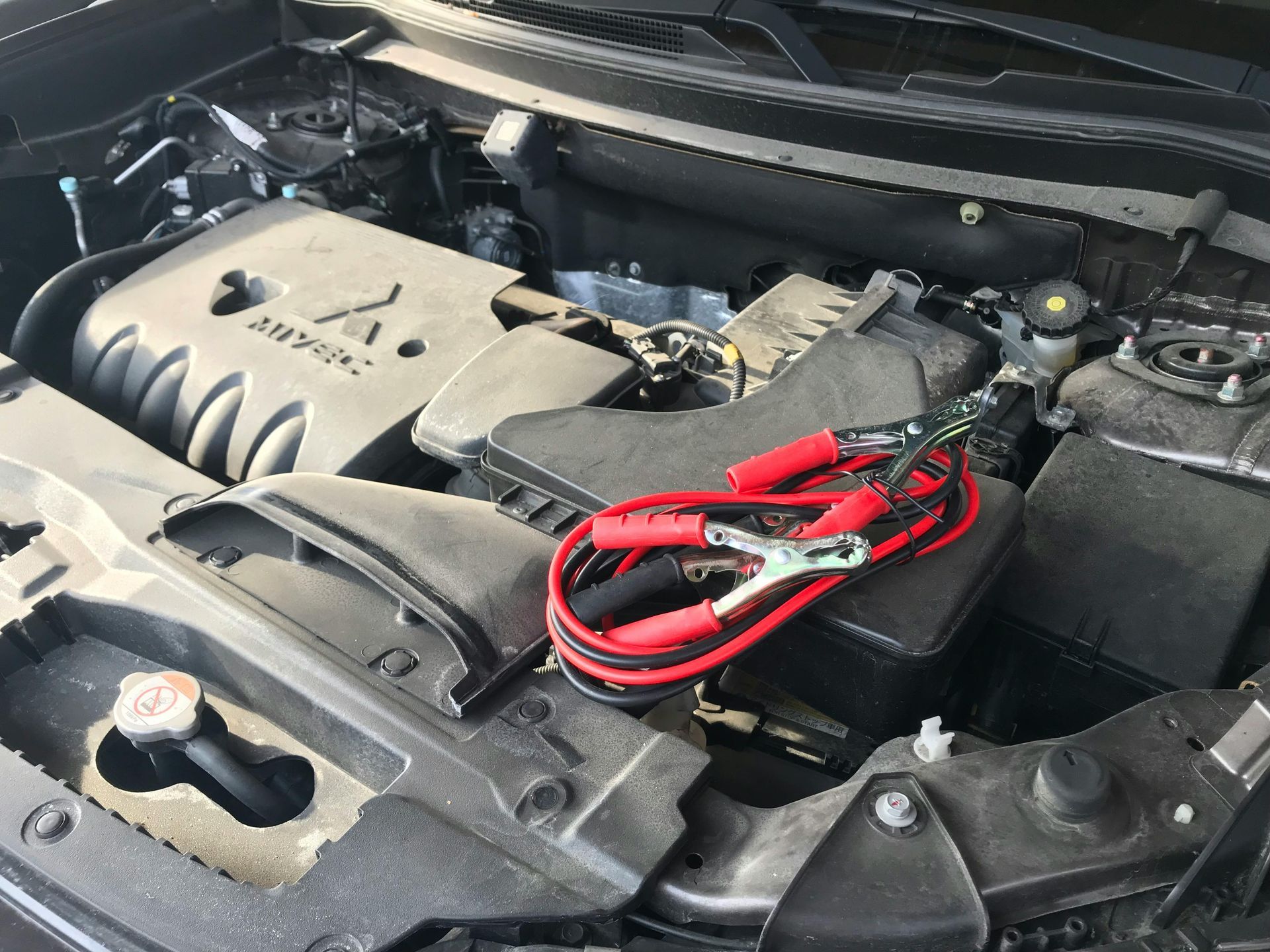
Disconnect the battery or use a trickle charger to maintain battery health throughout the storage period. Tires should be inflated to the recommended pressure, and using tire covers can help protect against UV exposure and flat spots. These RV storage tips are essential for maintaining functionality and appearance during the off-season.
Winter Boat Storage Best Practices
Proper winter boat storage begins with a thorough inspection and cleaning. Wash the hull to remove algae, salt, and debris, then allow it to dry completely. Waxing the exterior adds an extra layer of protection against moisture and oxidation.
Ensure all moisture is removed by completely emptying the engine, bilge, and live wells of any standing water. Add fuel stabilizer to the gas tank and run the engine briefly to circulate it through the system. This step helps prevent fuel degradation and engine issues during extended storage.
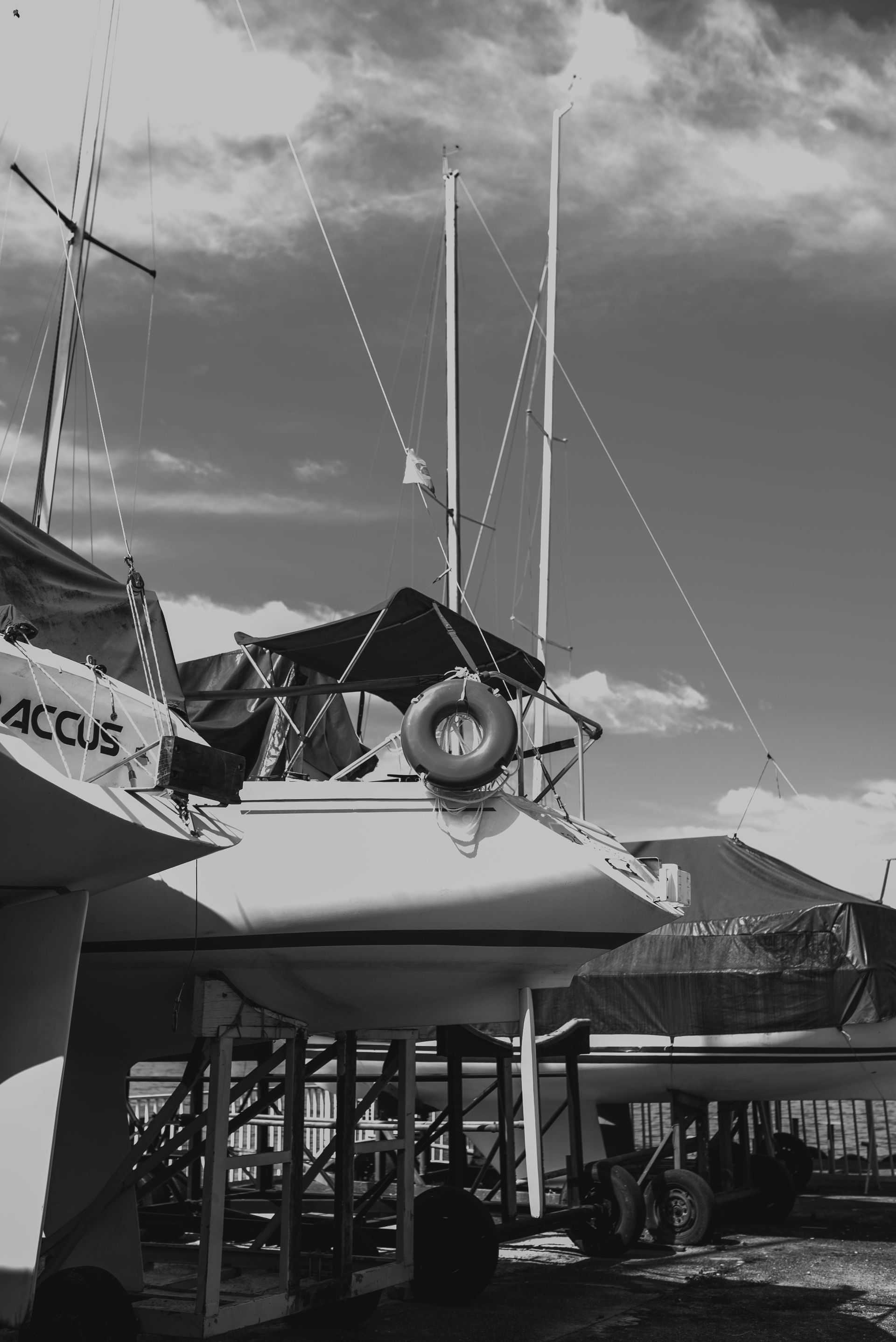
Remove valuables and electronics from the boat and store them in a dry place. Covering your boat with a breathable, weather-resistant cover helps protect against dust and moisture buildup. Secure winter boat storage keeps your vessel safe from environmental damage and makes spring launch easier.
Choosing the Right Seasonal Vehicle Storage Location
Selecting the right storage location is just as important as vehicle preparation. Open storage facilities offer flexibility, space, and convenience for RV and boat owners who need secure outdoor options. Look for a facility with gated access, ample maneuvering room, and clear ground conditions to avoid standing water.
Seasonal vehicle storage should also be easily accessible so you can check on your vehicle when needed. Choosing a reputable local storage provider ensures peace of mind and reduces the risks associated with storing vehicles at home or in unsecured areas.
Allen Drive Open Storage in Conroe, TX provides reliable open storage solutions for RVs, boats, and other large vehicles. With a focus on accessibility and security, it is an ideal option for owners looking to protect their vehicles during the winter months.
Preventing Common Winter Storage Problems
Even with preparation, it is important to be aware of common storage issues and how to prevent them. Moisture is one of the biggest threats, leading to mold, mildew, and corrosion. Using moisture absorbers inside your RV or boat can help control humidity levels.
Pests are another concern. Sealing entry points and avoiding food storage inside vehicles reduces the risk of rodents and insects. Regular inspections during the winter can help catch small problems before they become major repairs.
Mechanical components benefit from occasional attention. Starting engines periodically, if permitted by storage conditions, helps keep seals lubricated and systems functioning. Following these RV storage tips and winter boat storage practices ensures your vehicle remains in excellent condition throughout the off-season.
Get Ready for Spring with Confidence
Proper winter preparation and secure storage make a noticeable difference when it is time to hit the road or water again. Investing time in seasonal vehicle storage planning saves money, reduces stress, and keeps your RV or boat ready for adventure.
If you are looking for dependable open storage in Conroe, TX,
Allen Drive Open Storage is here to help. Our facility is designed to accommodate RVs, boats, and other large vehicles with ease.
Contact Allen Drive Open Storage Today to Store Your Vehicle for Winter
Protect your
RV,
boat,
motorcycle,
truck, or
trailer
this winter with professional seasonal vehicle storage you can trust. Call
Allen Drive Open Storage at
(936) 290-4061 to learn more about availability and secure your storage space today.
FAQs
When should I place my RV or boat into winter storage?
It is best to place your RV or boat into storage before temperatures consistently drop or when you know you will not be using it for an extended period.
Is open storage safe for RVs and boats during winter?
Yes, when combined with proper preparation and protective covers, open seasonal vehicle storage is a reliable option for winter storage.
Should I remove the battery before winter storage?
Removing or disconnecting the battery helps prevent drainage and extends battery life during long periods of inactivity.
How often should I check my RV or boat during winter storage?
Checking once a month is recommended to ensure covers are secure and there are no signs of moisture or pests.
Do I need a professional storage facility instead of storing at home?
Professional storage facilities offer more space, better access, and improved security compared to most residential storage options.